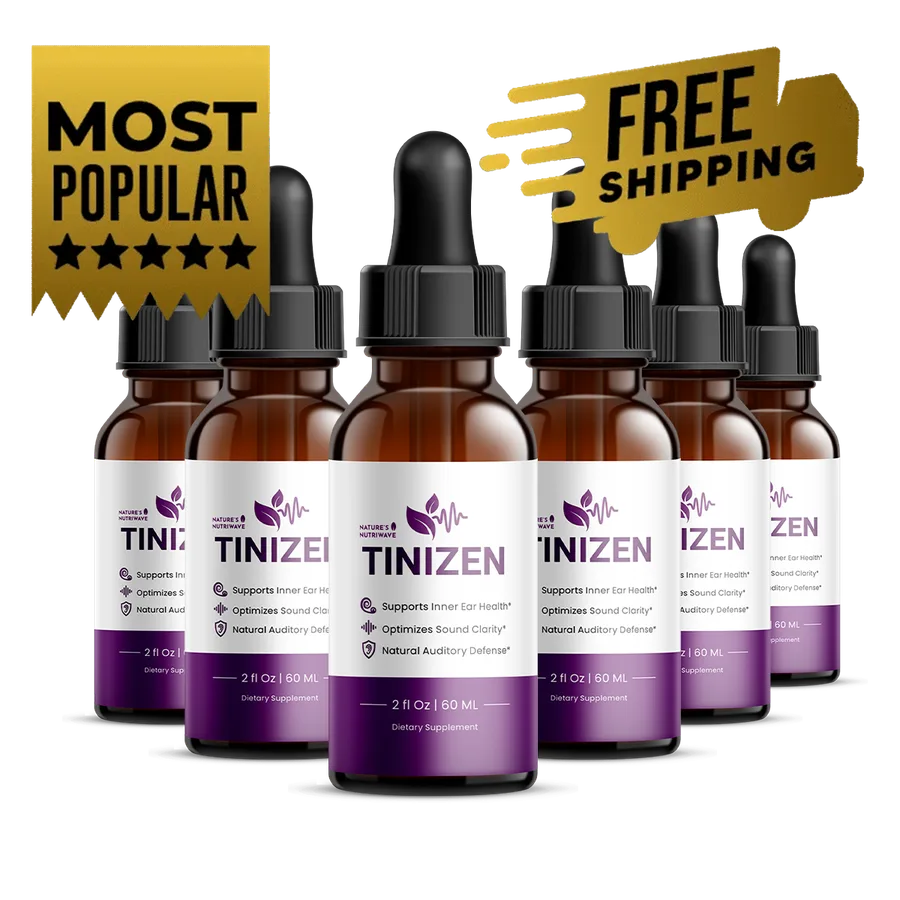
The materials we reviewed list six ingredients. No Supplement Facts amounts were available, so we state no doses and make no claim about potency. Check the panel on your bottle.
GABA
Amino acid · calming messenger
Gamma-aminobutyric acid is a compound the brain makes naturally and a common ingredient in relaxation-style supplements. Researchers still debate how much of an oral dose reaches the brain. It may cause drowsiness, so be careful with sedatives or anything else that makes you sleepy.
Amount per serving: not published.
L-Glutamine
Amino acid · protein building block
One of the amino acids found in everyday protein foods and widely sold on its own. It is generally well tolerated, though stomach upset is possible. People with liver conditions or seizure disorders should ask a doctor before using extra glutamine.
Amount per serving: not published.
L-Tryptophan
Essential amino acid
An amino acid your body uses to make proteins and, along the way, compounds involved in mood and sleep rhythms. It can cause drowsiness, and combining it with antidepressants such as SSRIs can be risky, so it is a clear “ask your pharmacist first” ingredient.
Amount per serving: not published.
Grape Extract
Botanical · grape polyphenols
A plant extract that provides grape polyphenols. The product page does not say whether it comes from seed, skin or whole fruit, or how concentrated it is. Because grape-seed-type extracts are sometimes discussed in connection with blood clotting, people on blood thinners should check with a doctor.
Amount per serving: not published.
Green Tea Leaf Extract
Botanical · catechins
Concentrated tea leaf extract that provides catechins such as EGCG and may contain some caffeine. The NIH’s National Center for Complementary and Integrative Health notes that highly concentrated green tea extracts have been linked to rare liver problems, so stay within the label directions.
Amount per serving: not published.
Panax Ginseng
Botanical · root extract
Also called Asian ginseng, a root used in traditional herbal products for centuries. It can cause headache or trouble sleeping and may interact with blood thinners, diabetes medicines and stimulants. NCCIH advises talking to a health professional before use.
Amount per serving: not published.
💊 Interaction cautions
GABA, L-Tryptophan and Panax Ginseng can interact with sedatives, antidepressants, blood thinners, diabetes medicines, blood pressure medicines and stimulants. Green tea extract can contain caffeine. Learn more from NCCIH on green tea and Asian ginseng, and from the FDA’s dietary supplement page.
Drowsiness is possible, so be careful driving. Not for anyone under 18, or anyone pregnant or nursing, without a doctor’s approval.
Frequently Asked Questions
What is in Tinizen?
Six ingredients are listed in the materials we reviewed: GABA, L-Glutamine, L-Tryptophan, Grape Extract, Green Tea Leaf Extract and Panax Ginseng. No amounts per serving are published, so we state no doses.
How do I take Tinizen?
A third-party review describes shaking the bottle well and taking 1 to 2 full droppers daily into the mouth. The label on your bottle is the authority, so follow it. Do not exceed the directions on the label.
Is Tinizen safe with my medication?
Ask your doctor or pharmacist first. GABA, L-Tryptophan and Panax Ginseng can interact with sedatives, antidepressants, blood thinners, diabetes medicines and blood pressure medicines. Bring the ingredient list with you.
What are the possible side effects?
Third-party materials mention digestive discomfort, headache and drowsiness. Because the ingredients can interact with medicines, it is not accurate to say no side effects are possible. Stop use and seek care if you feel unwell.